Category: Supply Chain

  • Trump to Allow Apple to Source Memory Chips from CXMT and YMTC

    Trump to Allow Apple to Source Memory Chips from CXMT and YMTC

    What is happening with Apple’s memory chip sourcing?

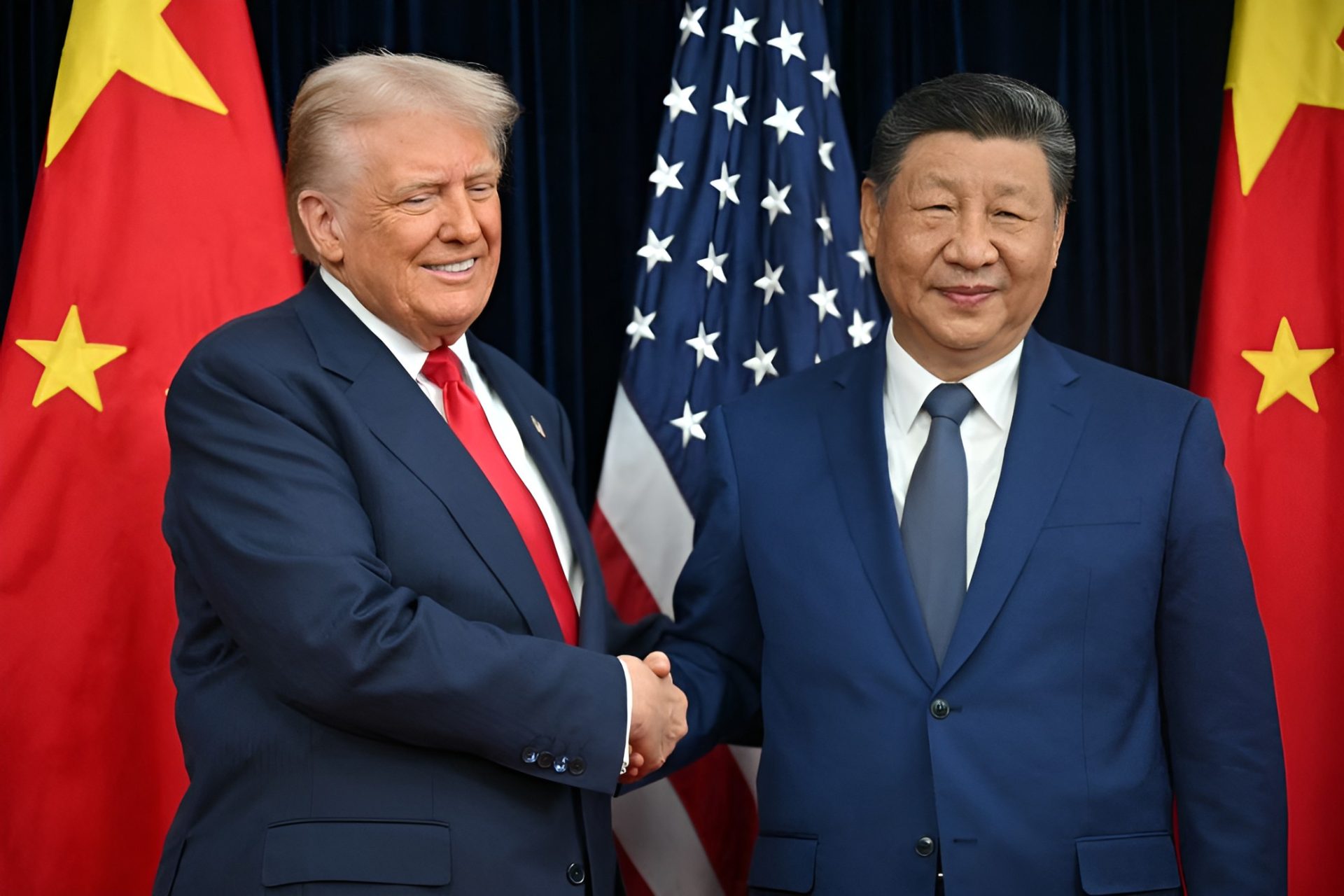
    The Trump administration is reportedly preparing to allow Apple to procure memory chips from two Chinese companies, CXMT and YMTC. This potential policy change is seen as a strategic move tied to President Xi Jinping’s planned visit to the United States in September 2026. The decision could ease some of the supply chain restrictions Apple has faced due to US-China trade tensions.

    Why does this matter for Apple and the supply chain?

    Apple relies heavily on a global supply chain for its components, including memory chips critical for iPhones, iPads, and Macs. Currently, US restrictions limit sourcing from certain Chinese semiconductor firms due to national security concerns. Allowing Apple to procure from CXMT and YMTC would diversify its memory chip suppliers and potentially reduce costs or supply risks.

    Context of US-China trade relations

    This development is part of broader US-China negotiations aimed at easing trade tensions. The move is perceived as a diplomatic gesture ahead of President Xi’s visit, signaling a willingness to relax some restrictions in exchange for improved bilateral relations. However, the final decision and its implementation details remain uncertain.

    What are the implications for Apple’s product supply?

    Access to memory chips from CXMT and YMTC could help Apple mitigate supply chain challenges that have affected product launches and availability. For example, Apple’s foldable iPhone launch has faced supply constraints, as discussed in our coverage of Apple’s Foldable iPhone Launch Faces Supply Challenges. Expanding chip procurement options may improve production stability and cost efficiency.

    Overall, this potential policy shift reflects the complex interplay between geopolitics and technology supply chains, with Apple positioned as a key player affected by these decisions.

    Source: Wccftech

  • Apple’s Foldable iPhone Launch Faces Supply Challenges

    Apple’s Foldable iPhone Launch Faces Supply Challenges

    What is happening with Apple’s foldable iPhone launch?

    Apple is reportedly preparing to enter the foldable smartphone market with a device potentially named the iPhone Fold Ultra. Industry sources suggest that the company could announce this new model as early as September. However, despite the excitement surrounding this innovation, there are indications that the foldable iPhone might be hard to purchase at launch due to supply chain constraints.

    Why might the foldable iPhone be difficult to buy initially?

    Supply chain challenges are a common issue with new and complex product launches, especially for devices incorporating cutting-edge technology like foldable displays. The foldable iPhone is expected to use advanced flexible OLED panels and hinge mechanisms that require precise manufacturing processes. These components are often in limited supply during initial production runs, which can restrict the number of units available for sale when the product first hits the market.

    Additionally, Apple’s rigorous quality standards may slow down production yields, further limiting availability. This situation could result in longer wait times for consumers and potentially higher prices on secondary markets shortly after launch.

    Impact on Apple and consumers

    For Apple, limited initial supply could dampen early sales figures and affect market share in the foldable segment, where competitors like Samsung have already established a presence. For consumers, the scarcity might mean difficulty acquiring the device immediately and could influence purchase decisions or push buyers towards alternative foldable phones.

    What does this mean for Apple’s product lineup and future?

    The introduction of a foldable iPhone represents a significant expansion of Apple’s product portfolio, signaling the company’s commitment to innovation in smartphone design. Despite the supply challenges, successfully launching a foldable device could position Apple competitively in a growing market segment.

    Apple’s upcoming foldable iPhone will likely complement its existing iPhone lineup, offering users new form factors and use cases. However, the initial supply constraints highlight the complexities Apple faces in adopting new hardware technologies at scale.

    For more details on the foldable iPhone rumors, visit Geeky Gadgets.

    Related coverage includes TSMC’s 2nm Chip: What It Means for Apple’s iPhone Performance and When Will Apple Announce the iPhone 18 Pro Event?.

    Source: Geeky Gadgets

  • TSMC’s 2nm Chip: What It Means for Apple’s iPhone Performance

    TSMC’s 2nm Chip: What It Means for Apple’s iPhone Performance

    What is TSMC’s 2-nanometer chip and why does it matter?

    TSMC has announced its development of a 2-nanometer (2nm) semiconductor chip technology, which offers about a 10% speed improvement over previous generations. This advancement is significant for Apple, as TSMC is the primary manufacturer of Apple’s A-series chips used in iPhones and iPads. The 2nm process represents a step forward in chip manufacturing, enabling better performance and energy efficiency for future Apple devices.

    How does the 2nm chip impact upcoming iPhone models?

    Performance versus design rumors

    Despite the technical progress of the 2nm chip, current rumors about the next iPhone models focus more on aesthetic changes, such as new color options, rather than major performance upgrades. While the chip’s 10% speed boost is meaningful, it may not translate into dramatic user-facing improvements immediately. Instead, Apple might prioritize design and other features in marketing the new iPhones.

    Still, the 2nm technology lays the groundwork for enhanced processing power and battery efficiency in future Apple products, aligning with Apple’s ongoing strategy to improve device capabilities through chip innovation.

    What does this mean for Apple’s supply chain and chip strategy?

    TSMC’s advancement to 2nm chips underscores the importance of its partnership with Apple. As Apple relies heavily on TSMC for cutting-edge chip fabrication, this development ensures Apple remains competitive in performance and energy efficiency. However, given the modest speed gains, Apple may continue to balance chip improvements with other product innovations.

    For more context on Apple’s chip sourcing and supply chain dynamics, see our coverage on Trump’s policy changes allowing Apple to source memory chips and Apple’s memory chip plans amid US-China trade talks.

    Source: OkDiario

  • Trump to Allow Apple to Source Memory Chips from CXMT and YMTC

    Trump to Allow Apple to Source Memory Chips from CXMT and YMTC

    What Changed in US Policy Regarding Apple’s Memory Chip Sourcing?

    After Chinese President Xi Jinping’s visit to the United States in September, former President Donald Trump is reportedly expected to allow Apple to source memory chips from two Chinese manufacturers, CXMT and YMTC. This policy shift could significantly ease Apple’s supply chain challenges amid ongoing US-China trade tensions.

    Why Does This Matter for Apple?

    Apple has faced restrictions on procuring certain components from Chinese suppliers due to US government sanctions and trade policies. Memory chips are critical components for Apple devices, and sourcing them from CXMT and YMTC could reduce costs and improve supply chain resilience.

    Impact on Apple’s Supply Chain and Product Strategy

    Allowing Apple to work with CXMT and YMTC may help diversify its supply chain and reduce dependency on other suppliers. This move could also influence Apple’s production timelines and pricing strategies, potentially benefiting consumers with more stable product availability.

    For more context on Apple’s chip sourcing and the broader implications of US-China trade policies, see our related article Apple’s China Memory Chip Plans Impact US-China Trade Talks.

    Source: Wccftech

  • Apple’s China Memory Chip Plans Impact US-China Trade Talks

    Apple’s China Memory Chip Plans Impact US-China Trade Talks

    What Are Apple’s Memory Chip Plans in China?

    Apple is reportedly advancing plans to increase its memory chip production capacity in China. This move is part of Apple’s broader strategy to secure its supply chain and reduce dependency on other regions. The memory chips are critical components for Apple’s devices, including iPhones, iPads, and Macs.

    Why Do These Plans Matter for US-China Trade Talks?

    Apple’s expansion in China’s semiconductor sector has become a bargaining chip in the ongoing US-China trade negotiations. As both countries negotiate tariffs, export controls, and technology transfers, Apple’s investments are being scrutinized and potentially leveraged to influence trade terms. This situation highlights the complex interplay between global supply chains and international diplomacy.

    Implications for Apple’s Supply Chain

    By increasing memory chip production in China, Apple aims to strengthen its supply chain resilience. However, this also exposes the company to geopolitical risks, as trade tensions could disrupt production or lead to regulatory challenges. The outcome of the trade talks may determine how Apple balances its manufacturing footprint between China and other countries.

    For more detailed insights, see the XenoSpectrum report.

    Related coverage: Hello world!

    Source: XenoSpectrum