What is happening with Apple’s memory chip sourcing?
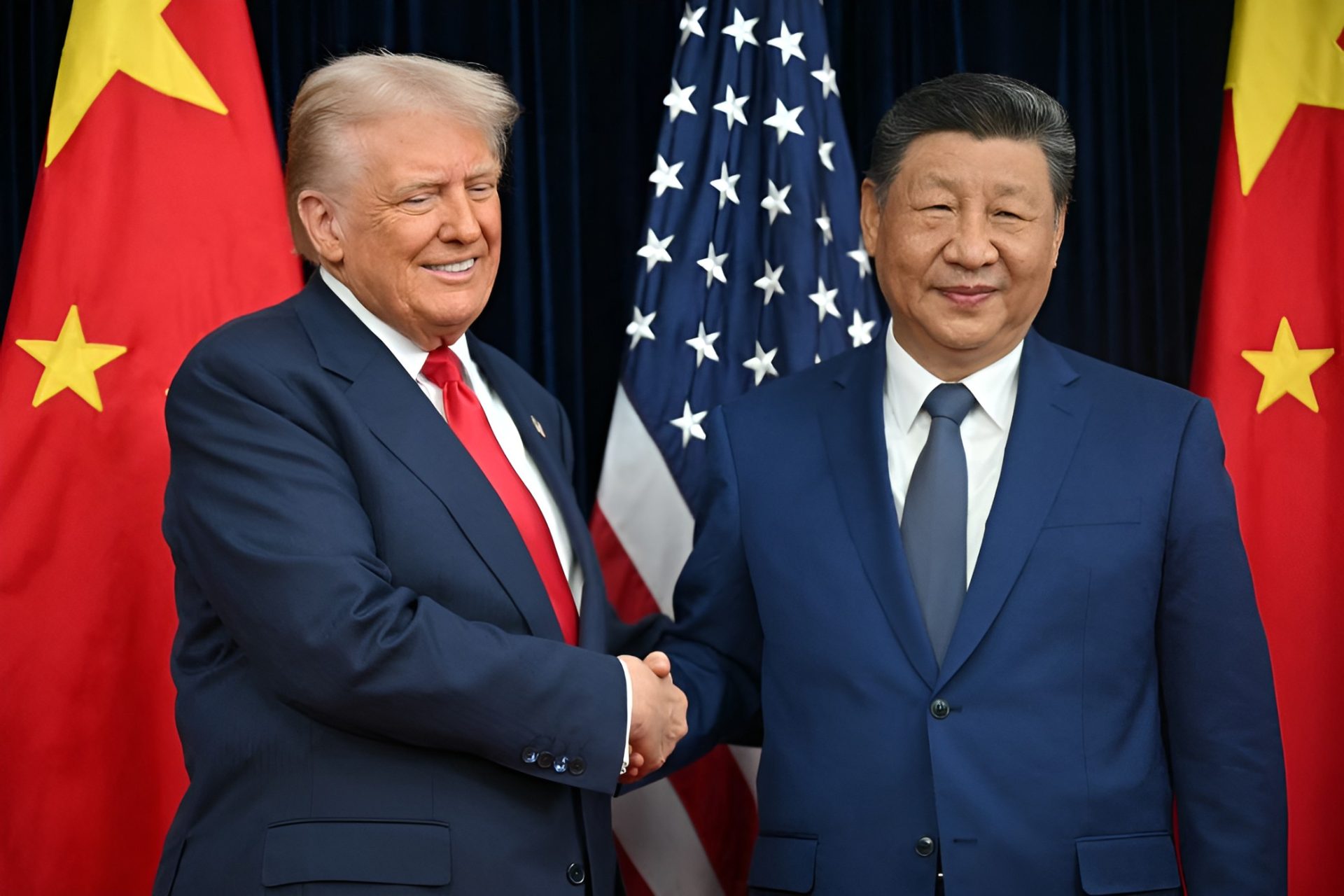
The Trump administration is reportedly preparing to allow Apple to procure memory chips from two Chinese companies, CXMT and YMTC. This potential policy change is seen as a strategic move tied to President Xi Jinping’s planned visit to the United States in September 2026. The decision could ease some of the supply chain restrictions Apple has faced due to US-China trade tensions.
Why does this matter for Apple and the supply chain?
Apple relies heavily on a global supply chain for its components, including memory chips critical for iPhones, iPads, and Macs. Currently, US restrictions limit sourcing from certain Chinese semiconductor firms due to national security concerns. Allowing Apple to procure from CXMT and YMTC would diversify its memory chip suppliers and potentially reduce costs or supply risks.
Context of US-China trade relations
This development is part of broader US-China negotiations aimed at easing trade tensions. The move is perceived as a diplomatic gesture ahead of President Xi’s visit, signaling a willingness to relax some restrictions in exchange for improved bilateral relations. However, the final decision and its implementation details remain uncertain.
What are the implications for Apple’s product supply?
Access to memory chips from CXMT and YMTC could help Apple mitigate supply chain challenges that have affected product launches and availability. For example, Apple’s foldable iPhone launch has faced supply constraints, as discussed in our coverage of Apple’s Foldable iPhone Launch Faces Supply Challenges. Expanding chip procurement options may improve production stability and cost efficiency.
Overall, this potential policy shift reflects the complex interplay between geopolitics and technology supply chains, with Apple positioned as a key player affected by these decisions.
Source: Wccftech
Leave a Reply